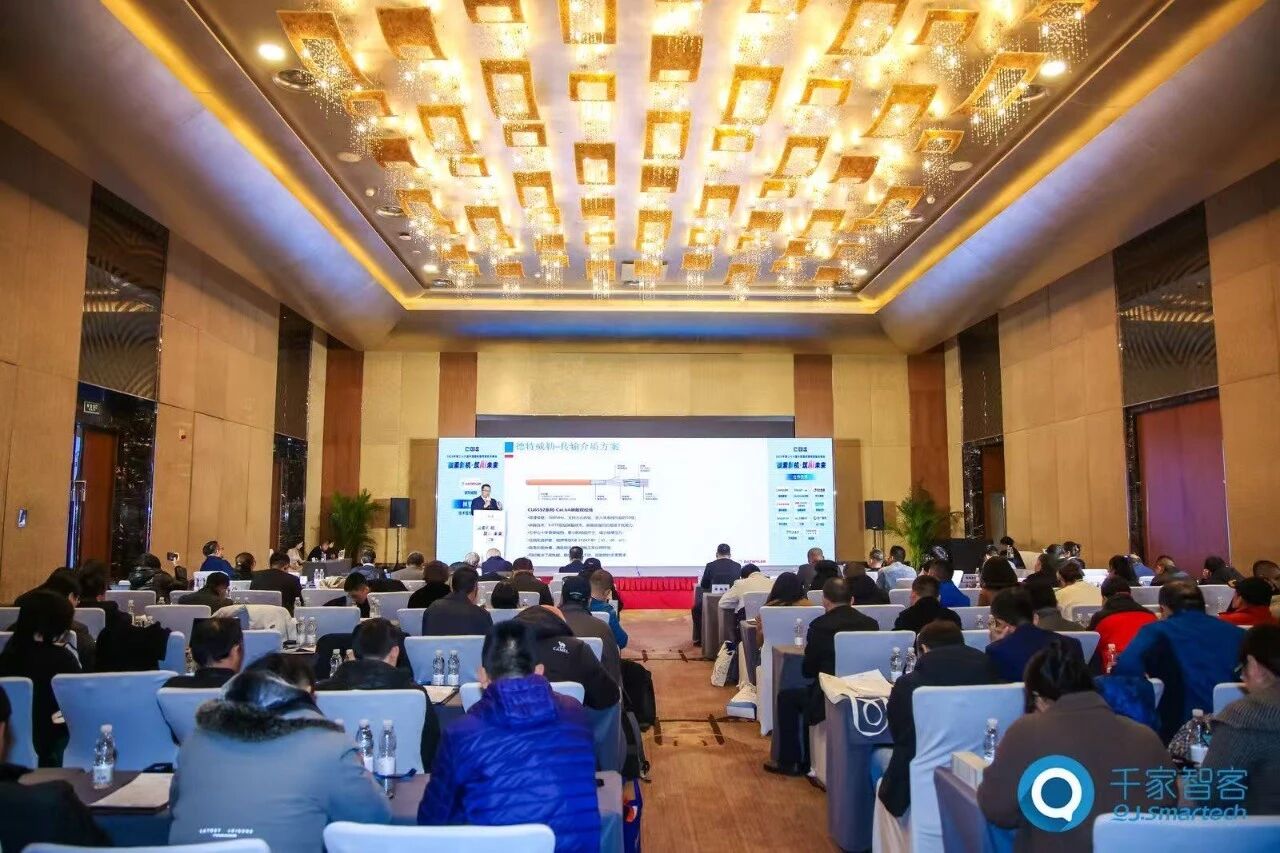
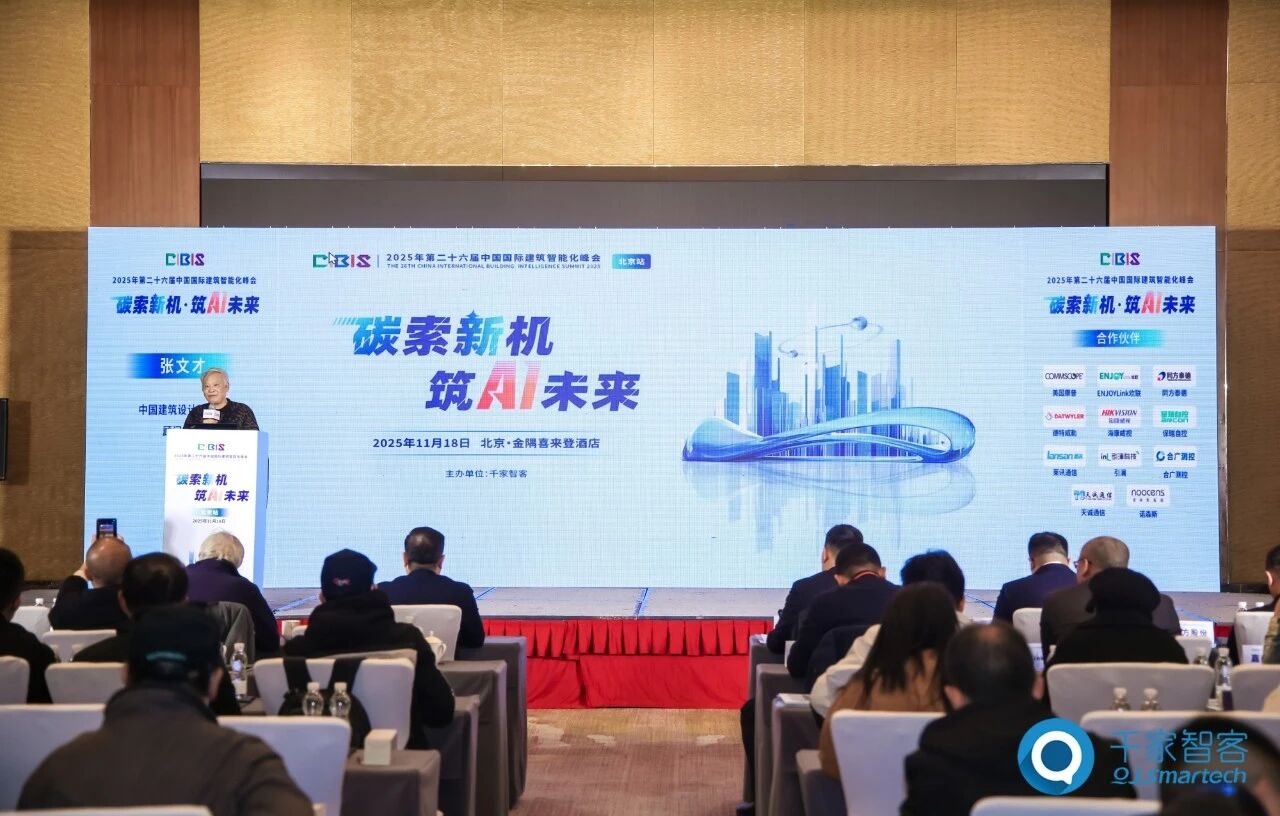
At present, the Chengdu, Xi'an, and Beijing stops of this summit have been successfully completed. Next, the summit will be held inShanghai (November 20)andGuangzhou (December 11).
Firstly,theformerAcademicianof the China Academy of Building Design, Zhang Wencai, stated in his speech that the profound significance of the theme of this summit, "Carbon索New Opportunities, Building AI Future", lies in the fact that the construction industry, as a major field of carbon emissions, faces immense pressure to achieve the "double carbon" goals, while also harboring unprecedented business opportunities. Zhang Wencai emphasized that the key to achieving the "double carbon" goals lies in building a brand-new technology system and industrial ecology, and that artificial intelligence (AI) is increasingly transforming from an auxiliary tool into the core driving force for the green transformation of the construction industry.
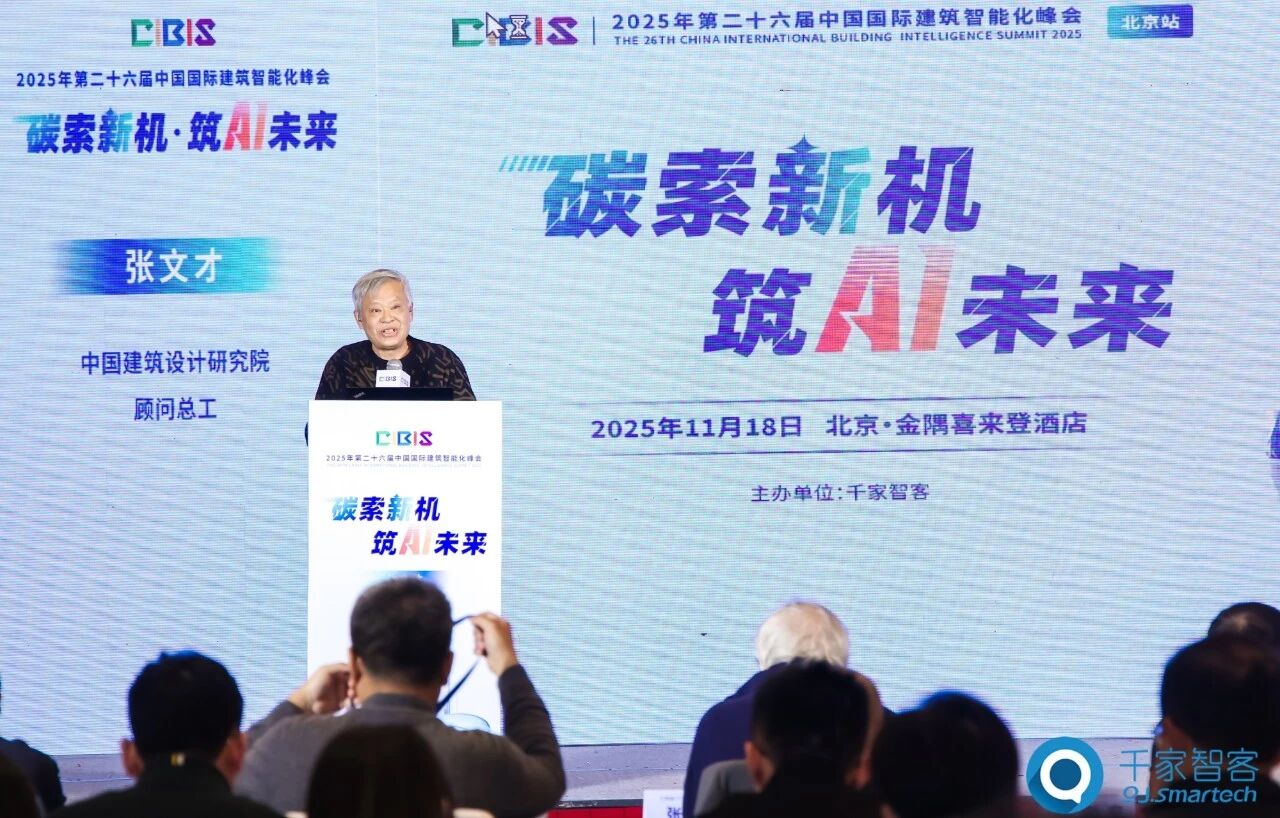
Zhang Wencai, former chief engineer of the Chinese Institute of Architectural Design
He further explained that the deep integration of artificial intelligence with the entire life cycle of the construction industry can not only efficiently manage carbon emission indicators and footprints, improve energy efficiency, but also promote the industry from traditional models relying on experience and intuition to a technology upgrade based on data-driven and intelligent decision-making. The application of AI technology not only represents technical challenges, but also provides new opportunities for promoting industrial upgrading, exploring win-win strategic opportunities for economic growth and environmental protection. Artificial intelligence has become a key engine to achieve carbon neutrality goals and an important "accelerator" to promote the construction industry to achieve the "double carbon" goals.
Aroundthe theme of,"the editor-in-chief of the"Intelligent Building and Smart City" magazine, Zhang Yi, pointed out in the sharing that optical networks, with their advantages of high-speed transmission and long-distance coverage, are no longer limited to wide area network and metropolitan area network applications, but are gradually penetrating into the construction of local area networks. In the structure of local area networks, multiple physically isolated subnets are usually divided according to business needs, such as office networks, device networks, production networks, and property networks, to achieve information sharing and security management. Traditional local area networks adopt a three-layer wiring structure of "backbone optical cables + horizontal copper cables", and with the advancement of technology, "Fiber To The Desktop" (FTTD) has gradually become the mainstream, significantly improving bandwidth and transmission efficiency.